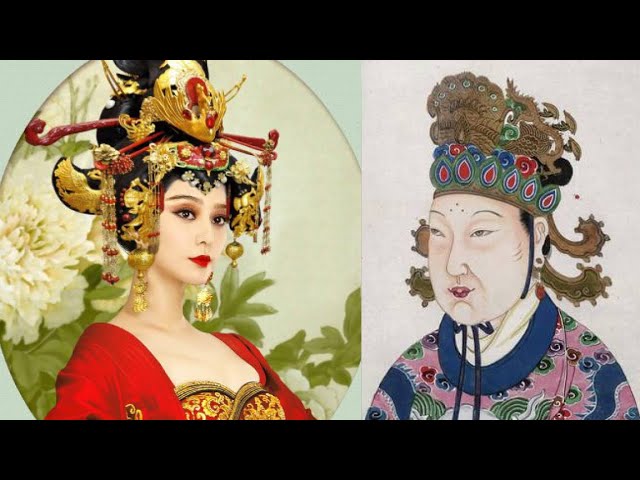
The Sole Empress Regnant of China: Empress Wu Zetian

japanchildrenrights.org – Empress Wu Zetian, born Wu Zhao in 624 AD, stands as a singular figure in Chinese history. She is the only empress regnant in China’s long and storied past, ruling from 690 to 705 AD. Wu Zetian’s reign was marked by her exceptional intelligence, political acumen, and her ability to navigate and manipulate the male-dominated court of the Tang Dynasty. This article explores the life of Empress Wu Zetian, examining her rise to power, her governance, and her lasting impact on Chinese history.

Early Life and Rise to Power

Wu Zhao was born into a family of minor nobility. Her intelligence and beauty caught the attention of Emperor Taizong, who took her into his court as a concubine. After Taizong’s death, Wu Zhao, in a bold and unprecedented move, became a consort to the new emperor, Gaozong, who was Taizong’s son. This transition marked the beginning of Wu Zhao’s ascent to power.

Under Emperor Gaozong, Wu Zhao wielded significant influence. She was instrumental in the political decisions of the court, often overshadowing the emperor himself. Her intelligence and political savvy allowed her to outmaneuver her rivals and consolidate her power base. By the time of Gaozong’s death in 683 AD, Wu Zetian was the de facto ruler of China.

Governance as Empress Regnant

In 690 AD, Wu Zetian took the unprecedented step to declare herself emperor, changing the name of the dynasty from Tang to Zhou. Her reign was characterized by a series of reforms aimed at strengthening the central government and improving the lives of the common people. Wu Zetian was a patron of Buddhism and used it to legitimize her rule, commissioning the construction of numerous temples and monasteries.

Despite facing opposition from conservative elements who opposed a female ruler, Wu Zetian’s governance was marked by stability and prosperity. She implemented a system of examinations to select officials based on merit, a practice that would have a lasting impact on Chinese bureaucracy. Her reign also saw significant advancements in literature, art, and technology.

Political Acumen and Legacy

Wu Zetian’s political acumen was evident in her ability to maintain control over the vast Tang Empire. She was ruthless in dealing with her opponents, employing a network of spies and informants to root out dissent. Yet, she was also a capable administrator who left a lasting legacy on Chinese governance.

After her death in 705 AD, Wu Zetian’s dynasty was restored to the Tang name, and her reign was initially viewed with ambivalence. However, over time, her contributions to Chinese history have been recognized. Wu Zetian’s legacy is that of a strong and capable ruler who, against the odds, rose to become the sole empress regnant in Chinese history.

Conclusion

Empress Wu Zetian’s life and reign are a testament to her intelligence, political acumen, and determination. Her ascent to power and her governance as the sole empress regnant of China broke through the gender barriers of her time. Wu Zetian’s legacy is a reminder of the complexities of Chinese history and the significant role that women have played in shaping it.
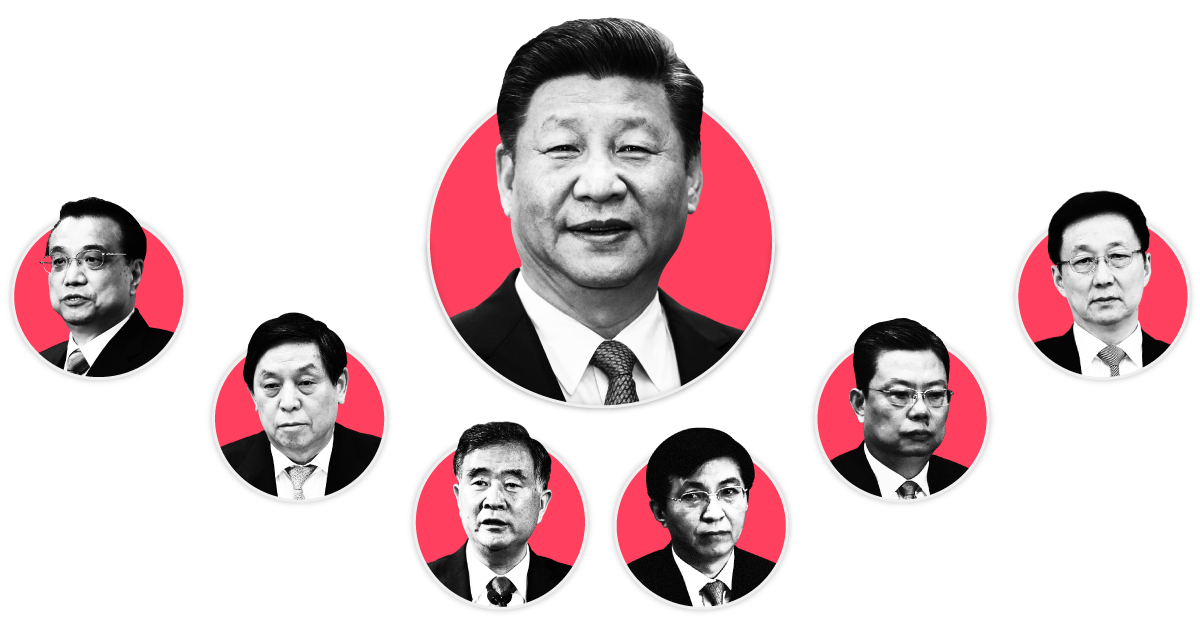

Governance and Leadership: China’s Political System

japanchildrenrights.org – China, with its rich history and vast population, operates under a unique political system that has evolved over centuries. The governance and leadership structure in China are fundamentally different from those in Western democracies. Understanding China’s political system requires an exploration of its historical context, the role of the Communist Party of China (CPC), and the mechanisms through which the country is governed.

Historical Context

The roots of China’s current political system can be traced back to ancient dynasties, where the emperor held absolute power. This centralized authority was challenged by various philosophies, including Confucianism and Legalism, which influenced the governance of the empire. The 20th century saw significant upheaval, culminating in the establishment of the People’s Republic of China in 1949 under the leadership of Mao Zedong and the CPC.

The Role of the Communist Party of China

The CPC is the central authority in China’s political system. It is the only political party permitted to rule, and its leadership is considered the ultimate authority in all aspects of Chinese society, including government, military, and the economy. The party’s structure is hierarchical, with the National Congress at the top, followed by the Central Committee, and then the Politburo and its Standing Committee.

Governance Structure

China’s governance structure is characterized by a single-party socialist state. The National People’s Congress (NPC) is the highest organ of state power and is elected by the people, albeit within the framework of CPC control. The NPC meets annually to discuss and pass legislation, approve the budget, and elect key government officials, including the President and Premier.

The State Council, headed by the Premier, is the executive branch of the government. It is responsible for implementing laws and regulations, managing the economy, and overseeing foreign and domestic policies.

Leadership and Decision-Making

Leadership in China is collective, with the General Secretary of the CPC, who is also the President of the country, serving as the paramount leader. However, decisions are made through consensus among the top party leadership, particularly within the Politburo Standing Committee. This collective leadership approach aims to ensure stability and continuity in policy direction.

Challenges and Reforms

China’s political system faces challenges, including corruption, regional disparities, and the need for sustainable economic growth. The CPC has initiated various reforms to address these issues, focusing on anti-corruption campaigns, poverty alleviation, and environmental protection. These efforts are part of a broader strategy to maintain the party’s legitimacy and ensure its continued governance.

Conclusion

China’s political system is a complex blend of historical traditions and modern governance structures. The CPC’s central role in governance and leadership is a defining feature of the system, ensuring stability and continuity while navigating the challenges of a rapidly changing world. As China continues to rise as a global power, its political system will undoubtedly evolve, reflecting both its unique cultural heritage and its engagement with the international community.

Insiden Penikaman Menimpa Empat Dosen Amerika di Provinsi Jilin, China

japanchildrenrights.org – Empat dosen yang berasal dari Cornell College, Iowa, Amerika Serikat, mengalami luka dalam sebuah insiden penikaman yang terjadi di sebuah taman di Provinsi Jilin, China pada hari Selasa, tanggal 11 Juni. Keempat akademisi tersebut sedang berada di China dalam konteks sebuah program pertukaran akademis ketika insiden tersebut terjadi.

Dalam sebuah konferensi pers yang diadakan di Beijing, Lin Jian, yang merupakan juru bicara Kementerian Luar Negeri China, menginformasikan bahwa semua korban telah segera dibawa ke fasilitas kesehatan terdekat dan mendapatkan perawatan yang dibutuhkan. Beliau menambahkan bahwa keadaan mereka stabil dan tidak ada yang mengalami luka yang mengancam jiwa. “Investigasi sedang berlangsung dan pada tahap awal ini, tidak teridentifikasi adanya motif khusus di balik penyerangan,” ungkap Lin.

Lebih lanjut, Lin menegaskan komitmen China dalam memastikan keamanan semua warga negara asing yang berada di wilayahnya dan menyatakan bahwa insiden ini tidak akan berpengaruh terhadap kegiatan pertukaran budaya dan akademis antara masyarakat China dan Amerika Serikat. “China tetap menjadi salah satu negara yang paling aman di dunia dan akan terus berupaya untuk efektif melindungi semua orang asing yang berada di sini,” kata Lin.

Di sisi lain, Kementerian Luar Negeri Amerika Serikat telah mengonfirmasi bahwa mereka telah mendapatkan informasi mengenai kejadian tersebut dan sedang berkoordinasi dengan otoritas yang terkait untuk mengawasi kondisi warga negaranya. Sampai saat ini, belum ada pernyataan resmi yang dikeluarkan oleh Pemerintah Provinsi Jilin mengenai insiden ini.

Inisiatif Strategis Indonesia: Mengarahkan Ekspor Langsung dari Kuala Tanjung ke Ningbo

japanchildrenrights.org – Menteri Koordinator Bidang Kemaritiman dan Investasi, Luhut Binsar Pandjaitan, telah menyatakan ambisi Indonesia untuk memperkuat jalur ekspor langsung negara tersebut. Fokus utamanya adalah mengeliminasi kebutuhan transit di Pelabuhan Singapura dengan membuka rute pelayaran baru yang menghubungkan Kuala Tanjung di Medan, Sumatera Utara, langsung ke Pelabuhan Ningbo di China.

Upaya Peningkatan Infrastruktur dan Kerjasama

Dalam upaya ini, Luhut mengumumkan pembentukan tim yang akan bekerja pada proyek Kereta Api Cepat Jakarta-Surabaya. Selain itu, dia juga menyoroti pentingnya mencari mitra strategis untuk mendukung inisiatif pelayaran langsung tersebut. Hal ini disampaikan melalui akun Instagram pribadinya setelah pertemuan HDCM ke-4 dengan Menteri Luar Negeri China Wang Yi pada Senin, 22 April 2024.

Pelabuhan Ningbo Sebagai Hub Utama

Menurut Luhut, Pelabuhan Ningbo akan menjadi titik sentral bagi Indonesia untuk mengirimkan ekspor langsung ke berbagai negara. Strategi ini diharapkan dapat mengurangi ketergantungan pada rute feeder melalui Singapura dan meningkatkan efisiensi serta kecepatan pengiriman barang.

Dampak Terhadap Kemandirian Indonesia

Inisiatif ini tidak hanya bertujuan untuk mempertegas posisi Indonesia di kancah perdagangan internasional tetapi juga merupakan langkah signifikan menuju kemandirian dalam sektor pelayaran. Luhut menegaskan bahwa langkah ini merupakan bagian dari upaya menunjukkan kemandirian dan kemampuan Indonesia dalam mengelola perdagangan internasionalnya.

Pembukaan rute pelayaran langsung dari Kuala Tanjung ke Ningbo merupakan langkah strategis Indonesia untuk memperkuat posisi dalam perdagangan global dan mengurangi ketergantungan pada hub transit lainnya. Inisiatif ini diharapkan akan meningkatkan efisiensi ekspor Indonesia dan mendorong kemandirian negara dalam menghadapi dinamika perdagangan internasional.