Haka: The Māori War Dance and Its Cultural Significance

japanchildrenrights.org – The haka, a traditional Māori dance, has become one of the most recognizable and iconic cultural expressions from New Zealand. Known for its powerful movements, intense facial expressions, and rhythmic chanting, the haka was originally performed by Māori warriors before battle to display strength, intimidate opponents, and unify their tribes. However, over time, the haka has evolved into a symbol of Māori identity and pride, extending beyond warfare to various social, ceremonial, and even international contexts. This article delves into the history, cultural significance, and modern-day relevance of the haka in Māori society and beyond.

The Origins of Haka

The haka has deep roots in Māori history, with its origins tied to the early settlement of New Zealand (Aotearoa) by the Māori people, who arrived from Polynesia over 1,000 years ago. The dance is believed to have been introduced by the gods, and it is closely associated with Māori mythology. The haka was not only a war dance but also a ritualistic performance used in various social settings, such as welcoming guests, celebrating achievements, and marking important events.

Historically, haka was performed by warriors before going into battle. The dance served multiple purposes: it was meant to boost morale, promote unity, and intimidate the enemy. The loud chanting and fierce physical movements were designed to demonstrate strength, prowess, and determination. Each haka would vary in style and meaning, with some being associated with specific iwi (tribes) or hapū (sub-tribes).

Haka and Māori Warfare

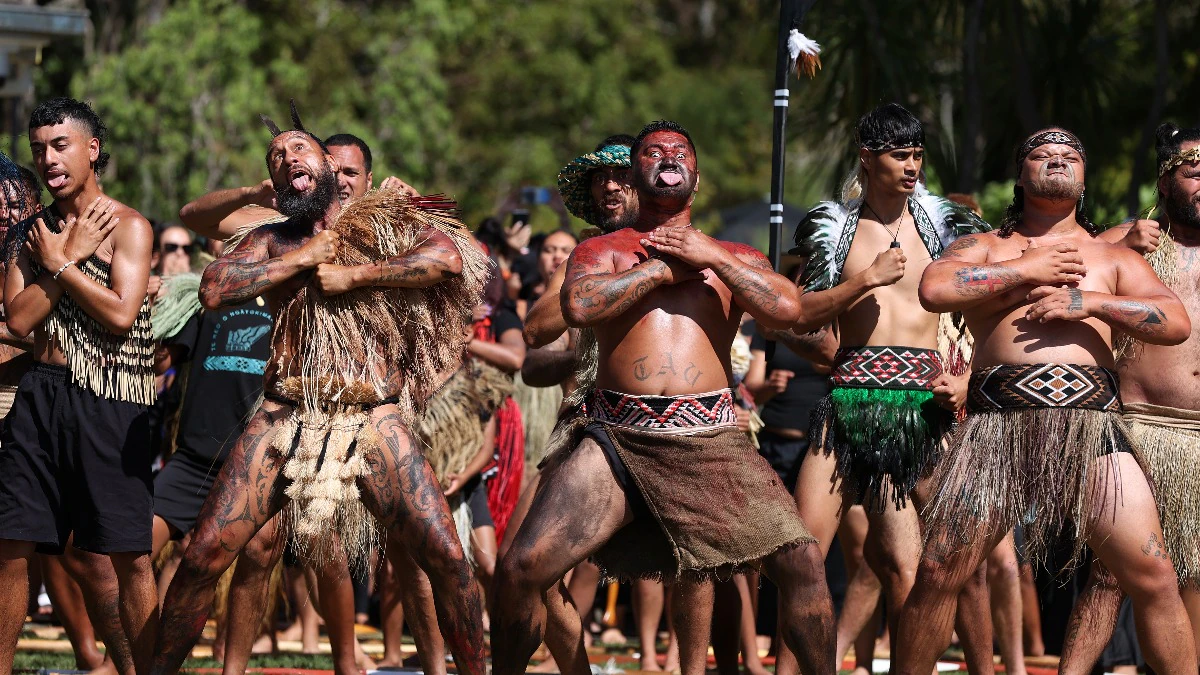
The haka was traditionally performed in the lead-up to a battle, often conducted by groups of warriors (toa) to invoke the protection of ancestors and gods, and to inspire fear in the opposing forces. Warriors would gather in formation, often on the battlefield itself or at a war camp, and perform a haka with vigorous stomping, thrusting of limbs, and powerful facial expressions to emphasize their ferocity and readiness for combat.

The haka’s primary function was to instill fear in the enemy by demonstrating the strength and unity of the tribe. The rhythmic chanting—known as the war cry or rallying call—was often accompanied by fierce facial expressions, particularly the famous wiri (shaking of the hands and arms) and pūkana (wide eyes and grimaces). These expressions of aggression and strength were meant to psyche out the enemy before battle even began, often causing them to hesitate or retreat.

Haka in Ritual and Ceremonial Life

While the haka is most closely associated with warfare, it was also an essential part of many other Māori rituals and ceremonies. For instance, the haka was commonly performed during welcoming ceremonies (powhiri) to greet guests, particularly important leaders or visiting dignitaries. This version of the haka, which emphasizes hospitality, unity, and respect, is less about intimidation and more about celebration and recognition.

In Māori culture, the haka is also used to mark significant events, such as births, marriages, and funerals. In these contexts, the haka symbolizes the collective spirit of the whānau (family) and iwi (tribe) as they come together to honor the person or event being commemorated. The haka’s role in these ceremonies is to express collective emotion, such as joy or mourning, and to strengthen the bonds between individuals and communities.

The Structure and Performance of Haka

The haka is characterized by its distinctive movements, chanting, and facial expressions. There are many different types of haka, each with its own specific structure and meaning. The most well-known types are:

  • Ka Mate: Perhaps the most famous haka, composed by the Māori chief Te Rauparaha in the early 19th century. This haka is a celebration of life and survival, with its powerful imagery of victory and resilience.
  • Peruperu: A type of haka performed before battle, marked by high knee lifts and vigorous stomping. The peruperu haka is meant to prepare warriors physically and mentally for combat.
  • Tūtū ngā Rangi: A haka performed to demonstrate unity and solidarity among the people. It is often used in ceremonial contexts, such as welcoming visitors or celebrating achievements.
  • Ngeri: A chant-based haka, often featuring rapid vocalizations and rhythmic body movements, used to express deep emotion or to emphasize the significance of a particular event.

A traditional haka performance involves a group of people, often arranged in two opposing rows, who perform synchronized movements. The performers stomp their feet, clap their hands, and make strong facial expressions. The chanting, known as the waiata, often tells a story, either of the tribe’s ancestors or of an event being commemorated. The pūkana, or intense facial expressions, are used to convey the emotional force of the haka. Performers may widen their eyes, stick out their tongues, or grimace to represent the fierce energy of the performance.

Haka as a Symbol of Māori Identity and Pride

In contemporary New Zealand, the haka has transcended its original purpose as a war dance and become a symbol of Māori identity and pride. While it remains a significant cultural practice for many Māori communities, it has also been embraced by the wider New Zealand population as a symbol of the nation’s heritage. The haka is often performed at national events, such as sporting matches, particularly by the New Zealand national rugby team, the All Blacks, who perform the haka before every game.

For the Māori people, the haka is a way to assert their cultural identity and express their mana (prestige, spiritual power) on the world stage. In recent years, the haka has become a source of pride for many Māori, serving as a vehicle for reclaiming cultural heritage and promoting Māori language and customs.

The All Blacks and the Haka

Perhaps the most famous global performance of the haka occurs before rugby matches, particularly by the New Zealand national rugby team, the All Blacks. The team performs the haka to showcase their strength, unity, and cultural heritage before each game. The All Blacks’ haka is seen as a statement of respect for the Māori people and their traditions, as well as a way to demonstrate the team’s determination and readiness to compete.

The haka performed by the All Blacks is a specific version of Ka Mate, but other versions, such as Kapa o Pango, have been created to represent the team’s connection to Māori culture while still maintaining their unique identity. The haka has become one of the most iconic moments of any All Blacks match, inspiring fans and intimidating opponents.

Haka in Modern-Day Māori Culture

While the haka is widely recognized as a part of Māori culture, its meaning has evolved over time. In contemporary Māori society, the haka is often performed at significant cultural and social events, such as graduations, funerals, weddings, and community gatherings. It remains an important vehicle for expressing collective identity, cultural pride, and solidarity within the Māori community.

In recent years, the haka has been used to assert Māori rights and visibility in New Zealand. Māori activists and groups have utilized the haka as a form of protest, using the dance to draw attention to issues such as land rights, Treaty of Waitangi claims, and the preservation of Māori language and culture.

The haka’s role in Māori society continues to evolve, but it remains a powerful reminder of the resilience, strength, and cultural heritage of the Māori people.

Conclusion

The haka is more than just a war dance—it is a cultural treasure that embodies the history, values, and identity of the Māori people. From its origins as a battle preparation ritual to its modern-day use as a symbol of Māori pride, the haka remains an important expression of Māori culture. Its powerful movements and chanting evoke a sense of unity, strength, and determination, whether on the battlefield, at a welcoming ceremony, or on the international stage. The haka continues to inspire and connect people, not just in New Zealand but around the world, as a testament to the enduring power of Māori culture.
Medellín’s Feria de las Flores: A Blossoming Celebration

japanchildrenrights.org – Medellín, the “City of Eternal Spring,” transforms into a vibrant floral spectacle every year during the Feria de las Flores, or Flower Festival. This iconic event celebrates the region’s rich floral heritage and the artistry of its people. With parades, exhibitions, and cultural performances, the festival draws visitors from around the world to witness the beauty of Colombian flowers.   

A Tradition Rooted in History

The Feria de las Flores traces its origins back to the mid-20th century, when local flower growers organized a small exhibition to showcase their talents. Over the years, the event has grown into a major cultural celebration, attracting millions of visitors annually. The festival’s popularity can be attributed to its unique blend of tradition, culture, and breathtaking floral displays.   

The Silleteros Parade: A Floral Masterpiece

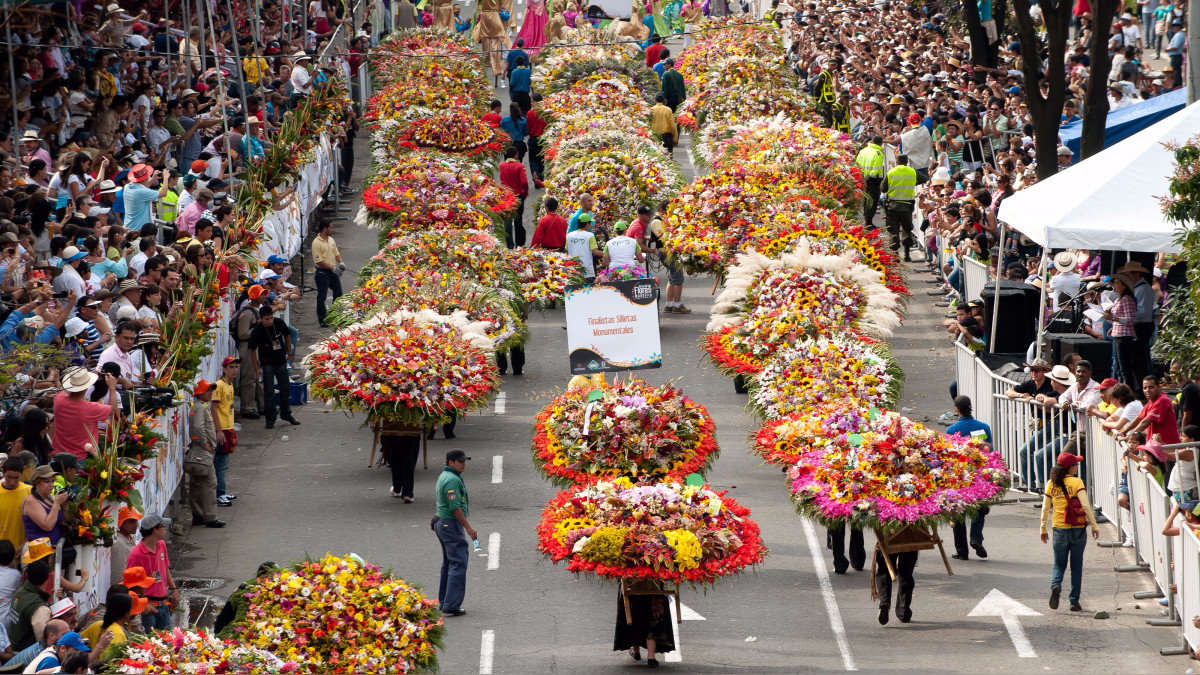
The highlight of the Feria de las Flores is undoubtedly the Silleteros Parade. This spectacular procession features hundreds of silleteros, or flower carriers, who parade through the streets of Medellín carrying towering floral sculptures on their backs. These intricate arrangements, often depicting religious or cultural themes, are a testament to the skill and creativity of the region’s flower growers.   

The silleteros tradition dates back to the colonial era when locals transported goods and people on their backs. Today, the silleteros continue this tradition, but instead of carrying heavy loads, they showcase the beauty of Colombian flowers.   

A City Immersed in Flowers

During the Feria de las Flores, Medellín is adorned with floral displays, from vibrant street decorations to elaborate installations in public spaces. Flower markets burst with color, offering a wide variety of blooms, including orchids, roses, and carnations. Visitors can also enjoy flower-themed exhibitions, workshops, and contests, as well as cultural performances like traditional music and dance.   

A Celebration of Culture and Community

Beyond the floral displays, the Feria de las Flores is a celebration of Colombian culture and community. The festival features a diverse range of events, including concerts, art exhibitions, and culinary experiences. Local artisans showcase their talents, offering handmade crafts and souvenirs. The streets come alive with music, dance, and festivities, creating a festive atmosphere that captures the spirit of Medellín.

Catamarca: Argentina’s Hidden Gem – A Tapestry of Landscapes

japanchildrenrights.org – Catamarca, a province nestled in the northwestern corner of Argentina, is a land of stark contrasts, where towering mountains meet arid deserts and lush valleys. Its diverse landscapes, rich history, and vibrant culture make it a captivating destination for travelers seeking an authentic Argentine experience.   

A Tapestry of Landscapes

Catamarca’s geography is as varied as its history. The province is dominated by the majestic Andes Mountains, which rise to impressive heights, offering breathtaking vistas and opportunities for outdoor adventure. The arid Puna region, with its salt flats and high-altitude lakes, is a stark and beautiful landscape. In contrast, the fertile valleys of the Calchaquíes, nestled between the mountains, are home to vineyards, olive groves, and picturesque villages.   

A Journey Through Time

The history of Catamarca is deeply intertwined with the indigenous cultures of the region. The Incas once ruled these lands, leaving behind a rich legacy of archaeological sites and ancient traditions. The Spanish conquistadors arrived in the 16th century, establishing colonial towns and introducing new cultures and religions. This fusion of indigenous and European influences has shaped the province’s unique identity.   

Cultural Treasures

Catamarca’s cultural heritage is reflected in its vibrant festivals, traditional crafts, and delicious cuisine. The province is famous for its colorful religious processions, particularly during Holy Week, when thousands of pilgrims converge on the town of Andalgalá. The indigenous communities of Catamarca continue to practice their ancestral traditions, including weaving, pottery, and music. The province’s cuisine is a delightful blend of indigenous and Spanish influences, featuring hearty stews, grilled meats, and local wines.   

Outdoor Adventures

For outdoor enthusiasts, Catamarca is a paradise. The province offers a wide range of activities, from hiking and trekking to mountain biking and rock climbing. The Aconquija National Park, with its diverse ecosystems and stunning scenery, is a popular destination for nature lovers. The province is also home to several thermal springs, where visitors can relax and rejuvenate in mineral-rich waters.   

A Spiritual Retreat

Catamarca is also a spiritual destination, with numerous pilgrimage sites and sacred places. The Shrine of Our Lady of the Valley, located in the city of Catamarca, is a popular pilgrimage site, attracting thousands of devotees each year. The province’s tranquil landscapes and serene atmosphere make it an ideal place for meditation and introspection.  

A Hidden Gem Worth Discovering

Catamarca is a hidden gem, waiting to be discovered. Its stunning landscapes, rich history, and vibrant culture make it a unique and unforgettable destination. Whether you are seeking adventure, relaxation, or cultural immersion, Catamarca has something to offer everyone.

Beja: A Journey Through Time and Tradition

japanchildrenrights.org – Beja, a city steeped in history and culture, is nestled in the heart of Portugal’s Alentejo region. Known for its rich heritage, stunning architecture, and serene landscapes, Beja offers a unique blend of old-world charm and modern amenities. Let’s delve deeper into this captivating city.   

A Glimpse into History

Beja’s history stretches back to Roman times, and its strategic location has made it a significant player throughout the centuries. The city flourished under Moorish rule, and its architecture still bears the imprints of this era. The imposing Beja Castle, a formidable fortress that dominates the city skyline, stands as a testament to its rich past.   

Exploring Beja’s Historical Treasures

  • Beja Castle: This majestic castle offers panoramic views of the city and surrounding countryside. Its imposing walls and towers have witnessed centuries of history.  
  • Convent of Nossa Senhora da Conceição: This former convent is now home to the Beja Regional Museum, which houses a fascinating collection of artifacts, including Roman mosaics, medieval ceramics, and religious art.   
  • Church of Santiago: This Gothic church is a notable landmark in Beja. Its impressive facade and interior are adorned with intricate details and religious artwork.
  • The Visigothic Center: Located within the Church of Santo Amaro, this center showcases the remnants of a Visigothic palace, offering a glimpse into the region’s early history.

The Alentejo Soul

Beja is the epitome of the Alentejo spirit, characterized by its relaxed pace of life, warm hospitality, and delicious cuisine. The city’s streets are lined with traditional houses painted in vibrant colors, creating a picturesque ambiance.

A Gastronomic Delight

Alentejo cuisine is renowned for its hearty dishes and simple, fresh ingredients. Be sure to savor local specialties like açorda de bacalhau (a bread and codfish soup), porco preto (black pork), and migas de espargos (bread crumbs with asparagus). Pair your meal with a glass of Alentejo wine, renowned for its robust flavors and rich character.   

The Alentejo Landscape

The surrounding countryside is a breathtaking tapestry of rolling hills, olive groves, and cork oak forests. The vast expanse of the Alentejo plains offers endless opportunities for outdoor activities like hiking, cycling, and birdwatching.   

A Cultural Experience

Beja hosts a variety of cultural events throughout the year, including music festivals, art exhibitions, and traditional fairs. These events provide a glimpse into the region’s rich cultural heritage and offer visitors a chance to immerse themselves in local traditions.   

A Peaceful Retreat

If you’re seeking a tranquil escape from the hustle and bustle of city life, Beja is the perfect destination. Its serene atmosphere, coupled with its rich history and cultural heritage, makes it an ideal place to unwind and recharge.

Argeș: A Tapestry of History and Nature – Historical Treasures

japanchildrenrights.org – Argeș, a county in southern Romania, is a captivating blend of history, culture, and breathtaking natural beauty. With its medieval monasteries, stunning mountain landscapes, and vibrant cities, Argeș offers a diverse and unforgettable experience for visitors.

Historical Treasures

Argeș has been a historical crossroads for centuries, and its rich past is evident in its numerous medieval monasteries. One of the most iconic is the Curtea de Argeș Monastery, known for its stunning architecture and intricate frescoes. Legend has it that the architect’s wife was bricked into the walls of the monastery to ensure its completion on time.  

Another significant historical site is the Râșnov Citadel, a medieval fortress perched atop a hill. This imposing structure offers panoramic views of the surrounding countryside and provides a glimpse into the region’s turbulent past.

Natural Wonders

Argeș is home to some of Romania’s most stunning natural landscapes. The Făgăraș Mountains, part of the Southern Carpathians, offer opportunities for hiking, climbing, and skiing. The Argeș River, which flows through the county, provides picturesque river valleys and serene lakes.

The Vidraru Dam, one of the largest in Romania, creates a beautiful artificial lake, popular for water sports and fishing. The surrounding area is also known for its lush forests, diverse wildlife, and stunning waterfalls.   

Cultural Experiences

Argeș is a cultural hub, with a rich tradition of music, dance, and folklore. The county’s vibrant cultural scene is showcased through various festivals and events throughout the year. Visitors can experience traditional Romanian customs, taste delicious local cuisine, and admire the craftsmanship of local artisans.

Urban Charm

The county’s capital, Pitești, is a bustling city with a modern atmosphere. It offers a mix of historical landmarks, shopping centers, and cultural attractions. The city’s Art Museum and the Pitești County Museum are worth visiting for art enthusiasts and history buffs.

A Memorable Journey

Argeș County invites visitors to explore its diverse landscapes, rich history, and vibrant culture. Whether you’re seeking adventure in the mountains, tranquility by the river, or a cultural immersion, Argeș has something to offer everyone.

A Breton Odyssey: Belle-Île-en-Mer and Île-de-Bréhat

japanchildrenrights.org – Brittany, a region in northwestern France, is renowned for its rugged coastlines, charming villages, and rich cultural heritage. Two of its most enchanting islands, Belle-Île-en-Mer and Île-de-Bréhat, offer a unique blend of natural beauty, history, and tranquility.

Belle-Île-en-Mer: A Majestic Island

Belle-Île-en-Mer, the largest island in Brittany, is a captivating destination with diverse landscapes. From dramatic cliffs to sandy beaches, lush forests to quaint villages, the island offers a wealth of experiences for visitors.

  • Le Palais: The main town on the island, with its historic port and colorful houses.
  • Sauzon: A picturesque fishing village with a charming harbor.
  • Grand Large: A stunning beach known for its strong waves and dramatic cliffs.
  • Plage des Grands Sables: A beautiful sandy beach, perfect for sunbathing and swimming.

Île-de-Bréhat: The Flower Island

Île-de-Bréhat, often called the “Flower Island,” is a small island known for its picturesque landscapes, charming villages, and vibrant gardens.

  • Le Bourg: The main village on the island, with its colorful houses and narrow streets.
  • Plage du Port: A beautiful sandy beach, ideal for swimming and sunbathing.
  • The Lighthouse: A historic lighthouse offering panoramic views of the island and the surrounding sea.
  • The Gardens: The island’s many gardens are a feast for the senses, with a variety of colorful flowers and plants.

A Taste of Brittany

Both islands offer a delicious culinary experience. Fresh seafood, oysters, and mussels are staples of the local cuisine. Don’t miss the opportunity to taste the famous galettes and crêpes.

A Cultural Experience

Brittany is rich in cultural heritage, and the islands are no exception. Visit the historic sites, explore the charming villages, and experience the warm hospitality of the locals.

Conclusion

Belle-Île-en-Mer and Île-de-Bréhat are two of the most beautiful islands in Brittany. With their stunning landscapes, rich history, and warm hospitality, they offer a truly unforgettable experience.

Keywords: Brittany, Belle-Île-en-Mer, Île-de-Bréhat, France, islands, beaches, nature, culture, history, food.

History of Vanuatu: Events, People, Dates, and Maps

japanchildrenrights.org – The history of Vanuatu is a fascinating tale of exploration, colonization, and cultural resilience. This archipelago in the South Pacific Ocean has seen significant transformations over the centuries, shaped by both indigenous traditions and external influences. Below is a look at the critical events, notable people, and important dates that have shaped Vanuatu’s history.

Ancient Settlement and Early History

The earliest settlers of Vanuatu, known as the Lapita people, arrived around 3,000 years ago. They were skilled navigators and agriculturalists who spread their culture across the Pacific. The Lapita culture is renowned for its distinctive pottery, which provides archaeologists with insights into their migratory patterns. These early inhabitants laid the foundation for the diverse cultures and languages found in Vanuatu today.

European Exploration

Vanuatu’s first recorded encounter with Europeans was in 1606, when Portuguese navigator Pedro Fernandes de Queirós, sailing for Spain, reached the islands. He named the archipelago “La Austrialia del Espiritu Santo” in honor of the Spanish king. However, it wasn’t until the late 18th century that Captain James Cook conducted detailed explorations of the region, naming it the New Hebrides.

Colonial Period and Independence

In the 19th century, European interest in the New Hebrides increased, primarily due to the potential for plantation agriculture and missionary work. By the early 20th century, Britain and France had established a unique condominium government, jointly administering the islands. This dual colonial rule lasted until Vanuatu gained independence on July 30, 1980. The first Prime Minister, Father Walter Lini, played a crucial role in leading the country to independence.

Key Figures in Vanuatu’s History

Several individuals have been pivotal in shaping Vanuatu’s history. Chief Willie Bongmatur Maldo was instrumental in establishing the National Council of Chiefs, ensuring traditional leadership was recognized in the new nation. Father Walter Lini, known as the “Father of Independence,” helped guide the country through its transition from colonial rule to self-governance.

Cultural and Political Developments

Since gaining independence, Vanuatu has worked to balance modern political structures with traditional customs. The National Council of Chiefs, or Malvatu Mauri, plays a significant role in this process, preserving the cultural heritage and ensuring the voices of traditional leaders are heard in national governance.

Maps and Geographical Significance

Vanuatu is an archipelago of approximately 83 islands, divided into six provinces. Its strategic location in the South Pacific has made it a hub for maritime and air routes. The islands are known for their stunning natural beauty, from active volcanoes to lush rainforests and vibrant coral reefs.

In conclusion, the history of Vanuatu is a rich tapestry of indigenous culture, colonial encounters, and a resilient journey toward independence. The events, people, and dates outlined here highlight the dynamic history that has shaped Vanuatu into the vibrant nation it is today.

Seni Pertunjukan di Jepang: Teater Kabuki dan Noh

japanchildrenrights – Seni pertunjukan di Jepang memiliki sejarah yang kaya dan beragam, dengan beberapa bentuk teater tradisional yang masih relevan hingga saat ini. Dua di antaranya yang paling terkenal adalah Teater Kabuki dan Noh. Artikel ini akan membahas sejarah, karakteristik, dan pentingnya kedua bentuk seni pertunjukan ini.

Teater Noh

Perbandingan Noh dan Kabuki

Noh adalah bentuk teater tradisional server jepang yang berasal dari abad ke-14. Noh merupakan sintesis dari seni tari, drama, dan musik, dan sangat dipengaruhi oleh berbagai tradisi, termasuk tari ritual Shinto, teater kabuki, dan cerita-cerita rakyat 1. Noh dan kyōgen (iringan komik dari Noh) adalah salah satu tradisi teater berkelanjutan tertua di dunia.

Noh dikenal dengan gaya akting yang sangat formal dan ritualistik. Pertunjukan Noh biasanya melibatkan sejumlah kecil aktor, dengan satu aktor utama yang memainkan berbagai peran menggunakan masker yang rumit dan detail 3. Musik dan tarian juga merupakan bagian integral dari pertunjukan Noh, dengan alat musik tradisional seperti shakuhachi (seruling bambu) dan taiko (gendang) yang sering digunakan.

Noh telah diakui oleh UNESCO sebagai warisan budaya lisan dan takbenda pada tahun 2008, bersama dengan kabuki dan bunraku 4. Noh tidak hanya merupakan bentuk hiburan, tetapi juga merupakan bagian penting dari warisan budaya Jepang yang mencerminkan nilai-nilai dan filosofi tradisional.

Teater Kabuki

Perbandingan Noh dan Kabuki

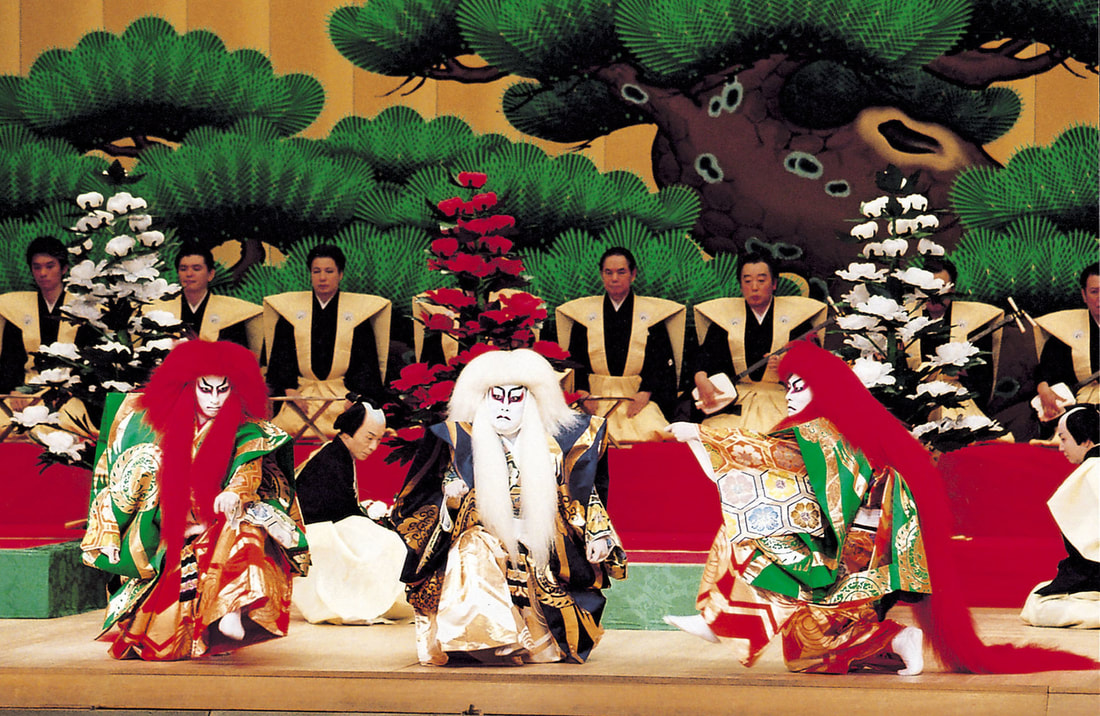
Kabuki adalah bentuk teater tradisional Jepang yang muncul pada awal abad ke-17. Pertunjukan kabuki pertama dikatakan telah ditampilkan oleh seorang penari perempuan bernama Izumo no Okuni di tepi kering Sungai Kamo di Kyoto pada tahun 1603 3. Kabuki berkembang dari oposisi terhadap tradisi tenang teater Noh, yang terutama terbatas pada kelas atas.

Kabuki dikenal dengan kostum mewah dan gaya akting yang dramatis. Aktor kabuki, yang semuanya adalah pria, memainkan berbagai peran, termasuk peran wanita (onnagata) 2. Pertunjukan kabuki sering kali melibatkan cerita-cerita epik dan legenda Jepang, serta elemen musik dan tarian yang kaya.

Kabuki telah menjadi salah satu bentuk seni pertunjukan paling populer di Jepang dan telah diakui oleh UNESCO sebagai warisan budaya lisan dan takbenda pada tahun 2008. Kabuki tidak hanya merupakan bentuk hiburan, tetapi juga merupakan cara untuk melestarikan dan menghormati warisan budaya Jepang.

Perbandingan Noh dan Kabuki

Perbandingan Noh dan Kabuki

Noh lebih menekankan pada gaya akting yang formal dan ritualistik, dengan banyak penggunaan masker dan gerakan yang sangat terkontrol. Sementara itu, kabuki lebih menekankan pada gaya akting yang dramatis dan ekspresif, dengan kostum yang mewah dan gerakan yang lebih bebas.

Noh sangat mengandalkan musik dan tarian sebagai bagian integral dari pertunjukan, dengan alat musik tradisional yang sering digunakan. Kabuki juga melibatkan musik dan tarian, tetapi lebih fokus pada cerita dan dialog yang dramatis.

Noh pada awalnya terutama terbatas pada kelas atas, sementara kabuki lebih terbuka untuk berbagai kalangan masyarakat, termasuk kelas menengah dan bawah.

Teater Noh dan Kabuki adalah dua bentuk seni pertunjukan tradisional Jepang yang memiliki sejarah panjang dan penting dalam budaya Jepang. Noh dengan gaya akting yang formal dan ritualistik, serta penggunaan musik dan tarian yang kaya, sedangkan kabuki dengan gaya akting yang dramatis dan ekspresif, serta cerita-cerita epik yang menarik. Kedua bentuk seni ini tidak hanya memberikan hiburan, tetapi juga melestarikan dan menghormati warisan budaya Jepang yang kaya dan beragam.

The Allure of Luxembourg: Tiny Tranquility

japanchildrenrights.org – Luxembourg, a small yet captivating country nestled in the heart of Europe, is often described as a tiny tranquility. Despite its modest size, Luxembourg offers a rich tapestry of history, culture, and natural beauty. This landlocked nation is a harmonious blend of medieval charm and modern sophistication, making it a unique destination for those seeking peace and serenity.

Historical Charm

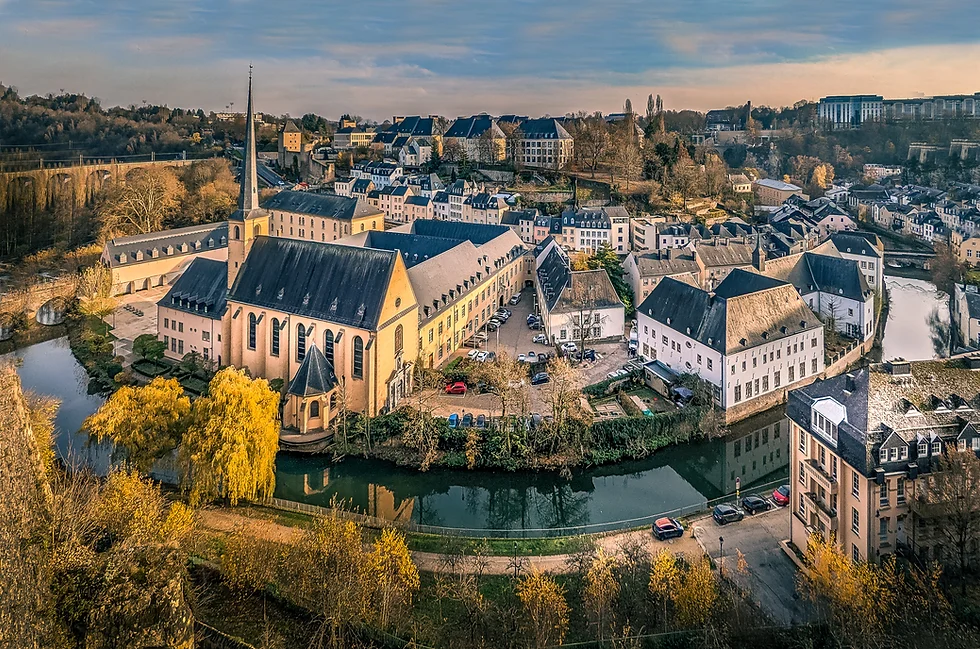
Luxembourg’s history is a fascinating journey through time, evident in its well-preserved medieval architecture and fortifications. The Old Quarter of Luxembourg City, a UNESCO World Heritage Site, boasts ancient ramparts and cobblestone streets that tell tales of the past. The Grand Ducal Palace and the Bock Casemates are architectural marvels that showcase the country’s rich heritage and strategic importance throughout history.

Natural Beauty and Serenity

Luxembourg’s picturesque landscapes offer a tranquil retreat into nature. The Mullerthal Region, often referred to as “Little Switzerland,” is renowned for its lush forests, rocky formations, and scenic hiking trails. The Ardennes, with its rolling hills and charming villages, provides a peaceful escape for nature lovers. Whether exploring the serene Moselle Valley or the tranquil Upper Sûre Lake, Luxembourg’s natural beauty is a testament to its tiny tranquility.

Cultural and Economic Vibrancy

Despite its size, Luxembourg is a cultural and economic powerhouse. The country is home to a diverse population that contributes to its rich cultural tapestry. Museums, galleries, and theaters abound, offering a vibrant arts scene. Luxembourg’s economic prowess, particularly in finance and technology, is complemented by its commitment to sustainability and quality of life, making it a model of modern living.

Conclusion

Luxembourg’s allure as a tiny tranquility lies in its enchanting blend of historical charm, natural beauty, and cultural vibrancy. This small yet significant nation invites visitors to explore its peaceful landscapes and rich history while experiencing the warmth and hospitality of its people. In Luxembourg, tranquility is not just a concept; it is a way of life that captivates all who visit.

Pelayaran di Danau Tonlé Sap: Menjelajahi Desa Terapung

japanchildrenrights – Danau Tonlé Sap, terletak di Kamboja, merupakan salah satu danau terbesar di Asia Tenggara dan dikenal sebagai keajaiban alam yang unik. Danau ini tidak hanya memainkan peran penting dalam ekosistem Kamboja, tetapi juga menjadi destinasi wisata yang menarik, terutama karena keberadaan desa-desa terapung yang menghuni perairannya. Melakukan pelayaran di Danau Tonlé Sap dan menjelajahi desa-desa terapung di sekitarnya memberikan pengalaman yang tak terlupakan bagi wisatawan yang ingin merasakan kehidupan masyarakat lokal yang berbeda.

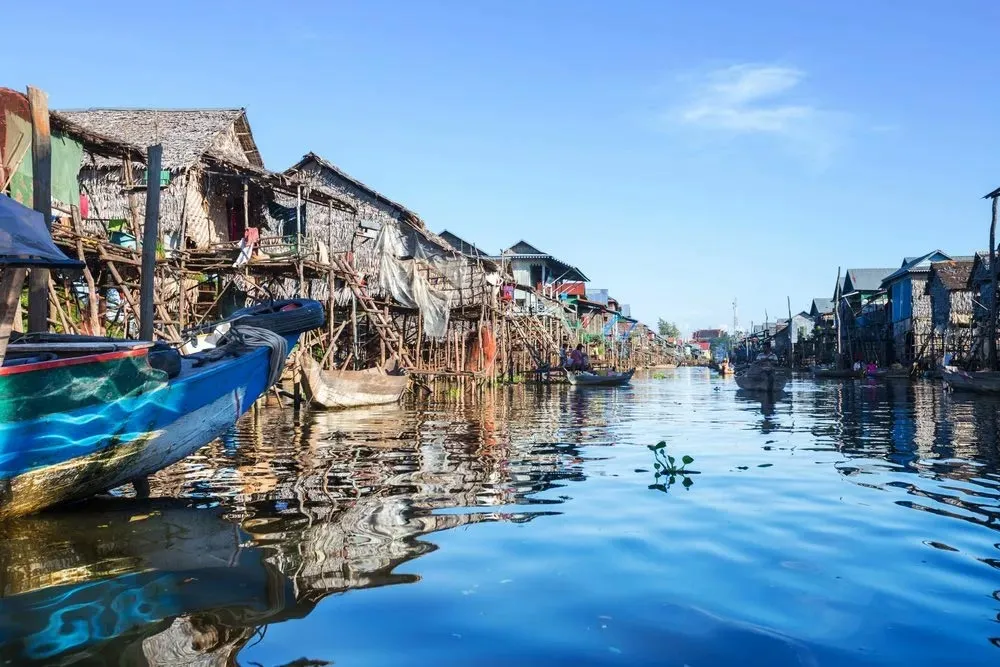
Salah satu hal yang membuat Danau Tonlé Sap begitu istimewa adalah sifatnya yang sangat dinamis. Selama musim hujan, aliran Sungai Tonlé Sap berubah arah, menyebabkan volume air danau meningkat drastis hingga sepuluh kali lipat. Akibatnya, banyak wilayah daratan yang tenggelam, sehingga rumah-rumah penduduk harus beradaptasi dengan kondisi lingkungan yang selalu berubah ini. Banyak dari mereka membangun rumah terapung yang dapat mengikuti pergerakan air, menjadikan desa-desa di sekitar Danau Tonlé Sap sebagai komunitas terapung yang unik.

Desa terapung di Danau Tonlé Sap adalah pemandangan yang menakjubkan. Rumah-rumah terapung ini berdiri di atas ponton atau rakit kayu, dan penduduk desa melakukan aktivitas sehari-hari mereka di atas air. Salah satu desa terapung yang terkenal adalah Kampong Phluk, di mana para wisatawan dapat melihat secara langsung kehidupan masyarakat nelayan yang sepenuhnya bergantung pada danau untuk mata pencaharian mereka.

Danau Tonlé Sap

Penduduk desa menggunakan perahu sebagai alat transportasi utama mereka, baik untuk bekerja, berbelanja, atau mengunjungi tetangga. Anak-anak sering terlihat mendayung perahu kecil mereka ke sekolah, sementara orang dewasa memancing atau mengelola peternakan ikan. Selain Kampong Phluk, ada juga desa-desa terapung lain seperti Kampong Khleang dan Chong Kneas, yang semuanya menawarkan pemandangan kehidupan masyarakat yang berbeda namun serupa dalam hal ketergantungan mereka pada air danau.

Mengikuti pelayaran di sekitar desa-desa terapung memberikan pengalaman yang mendalam dan otentik. Wisatawan dapat menyewa perahu lokal untuk mengelilingi desa dan melihat lebih dekat kehidupan masyarakat setempat. Beberapa tur juga menawarkan kesempatan untuk berkunjung ke sekolah, pasar terapung, dan bahkan kuil-kuil kecil yang dibangun di atas air. Wisatawan sering kali terkesan dengan keramahan penduduk lokal, meskipun mereka hidup dengan kondisi yang sederhana.

Salah satu momen terbaik untuk melakukan pelayaran di Danau Tonlé Sap adalah saat matahari terbenam, ketika langit berubah warna dan pantulan sinar matahari di permukaan air menciptakan pemandangan yang sangat indah. Bagi para pecinta fotografi, ini adalah waktu yang sempurna untuk mengabadikan momen.

Meskipun kehidupan di desa terapung terlihat damai dan indah, namun penduduk menghadapi berbagai tantangan. Ketergantungan pada perikanan membuat mereka sangat rentan terhadap perubahan iklim dan polusi air. Selain itu, akses ke layanan dasar seperti pendidikan dan perawatan kesehatan sering kali terbatas. Namun, beberapa organisasi non-pemerintah dan inisiatif lokal telah berusaha untuk meningkatkan kualitas hidup di desa-desa ini, termasuk dengan menyediakan sekolah terapung dan pusat kesehatan.

Danau Tonlé Sap

Sebagai destinasi wisata, Danau Tonlé Sap menarik ribuan pengunjung setiap tahunnya. Namun, dengan semakin populernya tempat ini, penting bagi wisatawan untuk mendukung pariwisata berkelanjutan. Hal ini berarti menghormati budaya lokal, tidak membuang sampah sembarangan, dan memilih tur yang bertanggung jawab secara lingkungan. Beberapa operator tur bahkan berkolaborasi dengan masyarakat setempat untuk memastikan bahwa pendapatan dari pariwisata langsung menguntungkan penduduk desa.

Pelayaran di Danau Tonlé Sap slot kamboja dan kunjungan ke desa terapung adalah salah satu cara terbaik untuk merasakan kehidupan lokal di Kamboja. Keunikan desa-desa terapung, yang menggambarkan hubungan manusia dengan alam, memberikan wawasan yang luar biasa tentang cara hidup yang jauh dari hiruk-pikuk kota modern. Dengan mempertahankan prinsip wisata berkelanjutan, wisatawan dapat membantu melestarikan budaya dan lingkungan unik ini untuk generasi mendatang.

The Role and Influence of Qatari Women in Society

japanchildrenrights.org – Qatari women have played a significant role in the country’s history and development. Before the discovery of oil, many Qatari families relied on the economic contributions of women, who took on various roles to support their households. Women from the Bedouin tribes, for instance, were skilled in weaving textiles from the livestock they raised, and they also participated in pearl diving, a crucial industry in Qatar’s early economy.

Modern Roles and Achievements

In contemporary Qatar, women continue to be active participants in the workforce and various sectors of society. They are increasingly entering the workforce and obtaining jobs in government offices, education, health, and social affairs. This shift reflects a broader trend towards gender equality and the empowerment of women in Qatar.

Education and Employment

Qatari women have access to education and employment opportunities, which has significantly contributed to their empowerment. The government has made efforts to ensure that women have the same educational and professional opportunities as men, leading to a more inclusive society.

Cultural Influence

Qatari women also play a crucial role in preserving and promoting the country’s culture. They are involved in various cultural activities, including arts and literature. Notably, women have been active participants in Qatar’s literary movements, contributing to the country’s rich cultural heritage.

Social and Cultural Norms

Despite the progress made, Qatari society still maintains distinct gender roles. Men are more frequently engaged in the public sphere, while women often take on more domestic responsibilities. However, this does not hinder women from making significant contributions to society. The black abaya, a loose-fitting garment with long sleeves, is a common attire for Qatari women, symbolizing both tradition and modernity.

Breaking Stereotypes

Qatari women are increasingly breaking stereotypes and challenging traditional gender norms. Their participation in various fields, from business to sports, demonstrates their growing influence and the changing perceptions of women’s roles in society. The support for women in Qatari culture is deeply ingrained, reflecting a social understanding that values and respects women’s contributions.

Conclusion

Qatari women have been and continue to be pivotal in shaping the country’s history, culture, and development. From their historical roles in weaving and pearl diving to their modern contributions in education, health, and the arts, Qatari women exemplify resilience, adaptability, and empowerment. As Qatar continues to evolve, the role of women remains central to its progress and prosperity.

Easter Island: A Destination for Adventure and Discovery

japanchildrenrights.org – Nestled in the vast expanse of the Pacific Ocean, Easter Island, or Rapa Nui as it is known locally, beckons adventurers and explorers from around the globe. This remote Chilean territory, famous for its monumental statues known as moai, offers a unique blend of archaeological wonders, natural beauty, and cultural richness. For those seeking an off-the-beaten-path adventure, Easter Island promises an experience that is both mysterious and enlightening.

The Enigma of the Moai

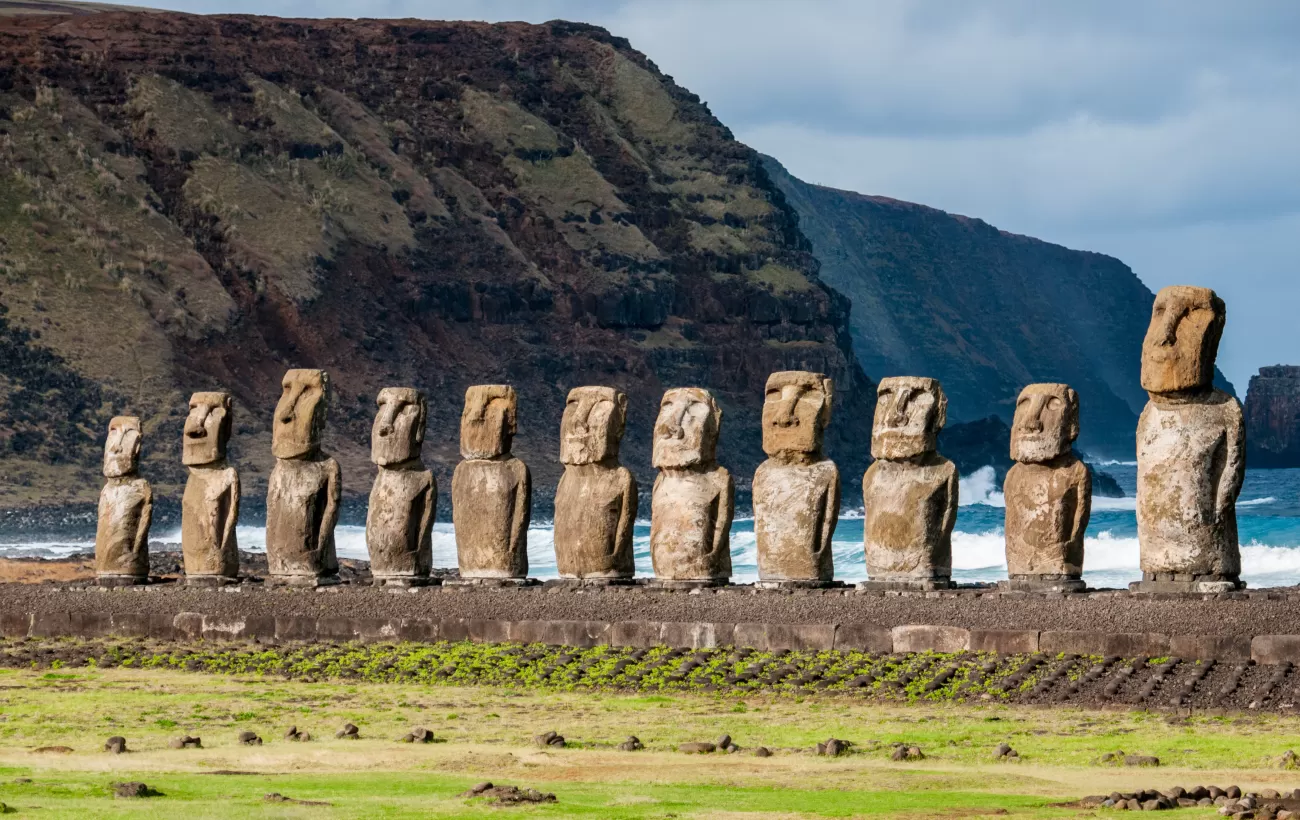
The most iconic feature of Easter Island is undoubtedly its collection of over 900 moai statues. These colossal figures, carved from volcanic rock, stand as silent sentinels to the island’s mysterious past. The creation and purpose of the moai have sparked numerous theories and debates among archaeologists and historians. Visitors can explore the Rano Raraku quarry, where the moai were carved, and the Ahu Tongariki, the largest restored platform featuring 15 moai. The journey to uncover the secrets of these statues is a thrilling adventure in itself.

Exploring the Natural Landscapes

Beyond its archaeological treasures, Easter Island boasts stunning natural landscapes. The island’s rugged coastline is dotted with caves, lava tunnels, and beautiful beaches. Anakena Beach, with its white sands and clear waters, offers a tranquil escape, while the Motu Nui islet is a sanctuary for the rare Easter Island birdman cult. Hiking through the island’s volcanic craters and lush valleys provides a glimpse into its untouched wilderness.

Immersing in Culture and Tradition

Easter Island is a living culture, with the Rapa Nui people proudly preserving their heritage. Visitors can witness traditional dance performances, learn about the island’s mythology, and even participate in workshops that teach the art of carving and weaving. The annual Tapati Rapa Nui Festival, held in February, is a vibrant celebration of the island’s culture, featuring sports, music, and dance competitions.

Planning Your Adventure

To fully experience Easter Island, it is recommended to stay for at least three to four days. The island’s small size makes it easy to explore by foot, bike, or scooter. Visitors should also be prepared for the island’s remote location, which means higher costs for goods and services. Booking accommodations and tours in advance is advisable, especially during peak travel seasons.

Conclusion

Easter Island stands as a testament to human ingenuity and resilience. Its allure lies not only in its archaeological marvels but also in the opportunity for personal discovery and adventure. Whether you’re an archaeology enthusiast, a nature lover, or a culture seeker, Easter Island promises an unforgettable journey into the heart of the Pacific.

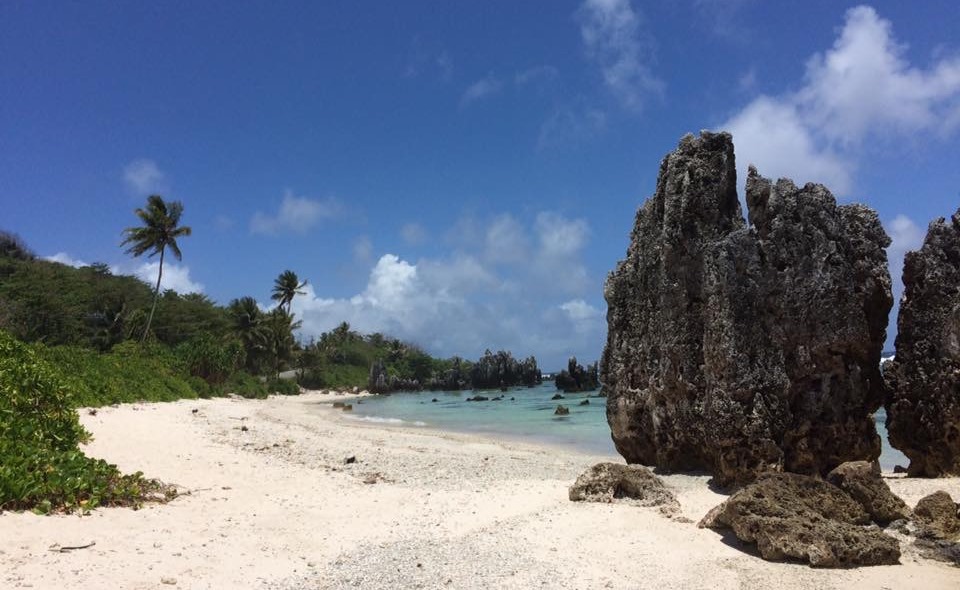
Nauru’s Demographics & Population Dynamics

japanchildrenrights.org – Nauru, a small island nation in the Pacific Ocean, has a unique demographic profile shaped by its history, geography, and socio-economic conditions. This article explores the current demographics and population dynamics of Nauru, providing insights into its ethnic composition, population trends, and key demographic indicators.

Current Population

As of 2024, Nauru’s population is estimated to be around 12,884 people. This figure represents a slight increase from previous years, reflecting the island’s stable but modest population growth.

Ethnic Composition

The ethnic composition of Nauru is predominantly Nauruan, with approximately 58% of the population identifying as Nauruan, who are part of the Micronesian ethnic group. The remaining population includes other Pacific Islanders, Chinese, Filipinos, and European descendants. This diversity is a result of historical migrations and the island’s strategic location in the Pacific.

Population Trends

Historical Context

Nauru’s population has experienced significant fluctuations over the years. Historically, the island’s phosphate mining industry attracted workers from various parts of the Pacific and beyond, contributing to its demographic diversity. However, the depletion of phosphate resources has led to economic challenges, affecting population dynamics.

Recent Trends

Recent census data from 2021 indicates a stable population with a slight increase from previous years. The population growth is attributed to natural increase rather than significant immigration. The island’s small size and limited resources have constrained population growth, making it one of the least populous countries in the world.

Key Demographic Indicators

Population Density

Nauru has one of the highest population densities in the world, with an average of 447.7 people per square kilometer. This high density is due to the island’s small land area and concentrated urban settlement.

Age Structure

The age structure of Nauru’s population is relatively balanced, with a significant portion of the population in the working-age group (15-64 years). As of 2022, males aged 35-39 years constituted 7.032% of the male population, showing a slight increase from the previous year.

Migration

Migration patterns in Nauru are influenced by economic opportunities and family ties. A notable number of Nauruans, approximately 2,000, reside in Australia, seeking better employment and educational opportunities.

Conclusion

Nauru’s demographics reflect a unique blend of indigenous and immigrant populations, shaped by historical and economic factors. The island’s small size and limited resources have resulted in a stable but modest population growth. Understanding these demographic dynamics is crucial for planning and policy-making to ensure sustainable development and improved quality of life for Nauru’s residents.

A Model for the World: Iceland’s Education System

japanchildrenrights.org – Iceland’s education system has garnered international attention for its progressive approach and outstanding results. With a strong emphasis on equity, quality, and innovation, Iceland has positioned itself as a model for education systems worldwide. This article delves into the key features of Iceland’s education system and explores why it stands out as a beacon of excellence in global education.

The Foundation of Equity

At the heart of Iceland’s education system is a commitment to equity. The government ensures that all children, regardless of their background, have access to high-quality education. This is achieved through a well-funded public school system that provides free education from preschool through high school. Additionally, Iceland’s small population and decentralized governance allow for a personalized approach to education, where the needs of individual students are prioritized.

A Focus on Quality

Iceland’s dedication to quality education is evident in its investment in teacher training and professional development. Teachers in Iceland are highly qualified, with a minimum requirement of a master’s degree for those teaching in compulsory schools. This rigorous preparation ensures that educators are equipped with the latest pedagogical strategies and are capable of fostering a love for learning in their students.

Innovative Teaching Methods

Innovation is another hallmark of Iceland’s education system. The country has been at the forefront of implementing modern teaching methods, such as project-based learning and technology integration. These approaches encourage critical thinking, creativity, and collaboration among students, preparing them for the challenges of the 21st century.

Holistic Education

Iceland’s education system takes a holistic approach to student development. Beyond academic achievement, there is a strong emphasis on social, emotional, and physical well-being. Schools offer a variety of extracurricular activities, including sports, arts, and community service, which contribute to the overall development of students.

International Collaboration

Iceland’s education system is not insular; it actively participates in international collaborations and exchanges. By engaging with global educational communities, Iceland continues to refine its practices and share its successes with other nations. This openness to international perspectives enriches the educational experience for Icelandic students and contributes to a more interconnected world.

Conclusion

Iceland’s education system is a testament to what can be achieved when a nation prioritizes education and invests in its future generations. Through a combination of equity, quality, innovation, and holistic development, Iceland has created an education system that not only serves its own citizens well but also offers valuable lessons for the rest of the world. As other countries look to improve their educational outcomes, they would do well to consider the Icelandic model as a blueprint for success.

A Journey Through Time: Australian Art and Culture

japanchildrenrights.org – Australia’s art and culture are as diverse and expansive as the continent itself. From the ancient traditions of Indigenous Australians to the contemporary expressions of modern artists, the country’s cultural landscape is rich and multifaceted. This journey through time explores the evolution of Australian art and culture, highlighting key movements, artists, and cultural milestones.

Indigenous Art: The Foundations of Australian Culture

The story of Australian art begins with the Indigenous peoples, whose cultural practices date back tens of thousands of years. Indigenous art, which includes rock paintings, carvings, and ceremonial objects, is deeply connected to the land and spiritual beliefs. The Dreaming, a complex network of stories and beliefs, is central to Indigenous culture and is often depicted in art.

One of the most famous examples of Indigenous art is the rock art found in the Kimberley region of Western Australia. These ancient paintings and engravings provide insight into the lives and beliefs of Indigenous Australians over millennia.

Colonial Art: The Beginnings of a New Cultural Identity

With the arrival of European settlers in the late 18th century, a new chapter in Australian art and culture began. Early colonial art was heavily influenced by European styles and often depicted the landscape and wildlife of the new continent. Artists such as John Glover and Eugene von Guerard captured the beauty of the Australian landscape, while others, like Thomas Watling, documented Indigenous life.

The Heidelberg School, which emerged in the late 19th century, marked a shift towards a distinctly Australian style. Artists like Tom Roberts and Frederick McCubbin painted en plein air, capturing the light and colors of the Australian bush and creating a sense of national identity.

Modernism and Beyond: The 20th Century and Contemporary Art

The 20th century saw Australian art embrace modernism and later, postmodernism. Artists such as Sidney Nolan, with his iconic Ned Kelly series, and Arthur Boyd, with his mythological and personal narratives, pushed the boundaries of Australian art. The influence of Indigenous culture also became more pronounced, with artists like Emily Kame Kngwarreye gaining international acclaim for her vibrant dot paintings.

Contemporary Australian art is characterized by its diversity and innovation. From the political statements of Tracey Moffatt to the multimedia installations of Mike Parr, Australian artists continue to explore new mediums and themes. The rise of street art, particularly in cities like Melbourne, has added another layer to the country’s cultural tapestry.

Cultural Institutions: Preserving and Promoting Australian Art

Australia is home to numerous cultural institutions that play a crucial role in preserving and promoting the country’s art and culture. The National Gallery of Australia in Canberra, the Art Gallery of New South Wales in Sydney, and the National Gallery of Victoria in Melbourne are just a few of the institutions that house significant collections of Australian and international art.

The biennial Sydney Biennale and the Melbourne International Arts Festival are among the events that celebrate contemporary art and culture, attracting artists and audiences from around the world.

Indigenous Cultural Revival: Reclaiming and Celebrating Heritage

In recent decades, there has been a significant revival of Indigenous culture in Australia. The establishment of the National Indigenous Arts Advocacy Organisation (NIAAA) and the success of the Indigenous art market have provided platforms for Indigenous artists to share their work on a global stage.

Events like the Garma Festival in northeast Arnhem Land and the Tjungu Festival on the APY Lands celebrate Indigenous culture, music, and art, fostering a deeper understanding and appreciation of Australia’s first peoples.

Conclusion

Australian art and culture are a testament to the country’s rich history and the resilience of its people. From the ancient traditions of Indigenous Australians to the innovative expressions of contemporary artists, the journey through Australian art and culture is one of continuous evolution and discovery. As the country continues to grow and change, its art and culture will undoubtedly reflect the diverse voices and experiences of its people, ensuring that the story of Australia remains vibrant and alive.

Celebrating Unity and Diversity: Switzerland’s National Day

japanchildrenrights.org – Switzerland’s National Day, celebrated annually on August 1st, is a vibrant occasion that encapsulates the spirit of unity in diversity. This day commemorates the founding of the Swiss Confederacy in 1291, a historic event that laid the foundation for the modern nation. The celebration is a testament to Switzerland’s rich cultural tapestry, its democratic values, and the harmonious coexistence of its diverse population.

The Significance of August 1st

The date August 1st was officially declared as Switzerland’s National Day in 1891, marking the 600th anniversary of the Swiss Confederacy. This day is an opportunity for the Swiss people to reflect on their history, celebrate their achievements, and reaffirm their commitment to the values of democracy, freedom, and peace.

Celebrations Across the Country

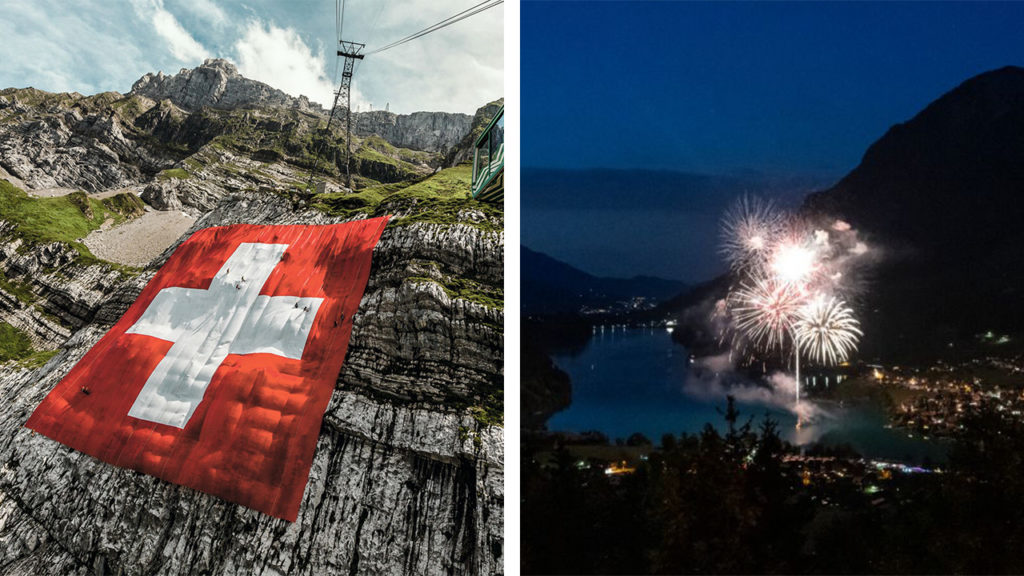
Switzerland’s National Day is celebrated with great enthusiasm and patriotism. Cities, towns, and villages come alive with parades, concerts, fireworks, and traditional festivities. The Swiss flag, adorned with a white cross on a red background, is prominently displayed, symbolizing the unity and diversity of the nation.

Parades and Concerts

Parades featuring traditional Swiss costumes, music, and dance are a common sight. These events showcase the cultural richness of the different cantons and the harmonious blending of traditions. Concerts by local bands and artists add to the festive atmosphere, drawing crowds of all ages.

Fireworks

As night falls, the sky lights up with spectacular fireworks. These displays are not only a visual treat but also a symbol of unity and celebration. Fireworks are set off from various locations, including mountains and lakes, creating a magical atmosphere that captivates the audience.

Traditional Festivities

Traditional Swiss foods such as cheese fondue, raclette, and rösti are enjoyed during this time. These culinary delights bring people together, fostering a sense of community and shared heritage. Additionally, bonfires are lit in many regions, around which people gather to sing, dance, and tell stories, further enhancing the communal spirit of the celebration.

Unity in Diversity

Switzerland’s National Day is a celebration of the country’s unique blend of cultures, languages, and traditions. Switzerland is home to four national languages (German, French, Italian, and Romansh) and a diverse population that includes various ethnic and linguistic groups. Despite these differences, the Swiss people have managed to forge a strong national identity based on shared values and mutual respect.

Conclusion

Switzerland’s National Day is more than just a celebration of independence; it is a vibrant expression of the nation’s unity in diversity. It is a day when the Swiss people come together to honor their history, celebrate their achievements, and reaffirm their commitment to the values that define their nation. Through parades, concerts, fireworks, and traditional festivities, Switzerland’s National Day showcases the country’s rich cultural tapestry and its enduring spirit of harmony and democracy.

Suriname: The Land of Water and Forests

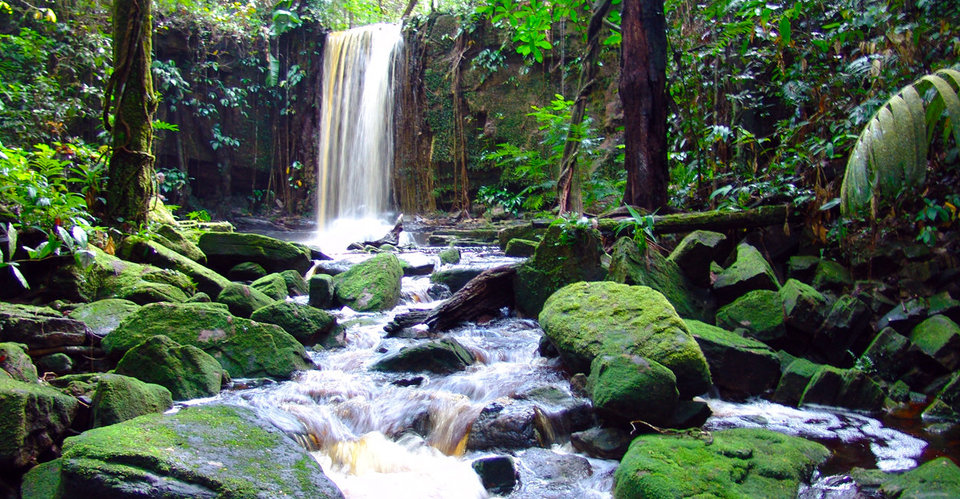
japanchildrenrights.org – Nestled on the northeastern coast of South America, Suriname is a country that boasts a rich tapestry of natural beauty, cultural diversity, and historical significance. Often referred to as “The Land of Water and Forests,” Suriname is a place where the Amazon rainforest meets the Atlantic Ocean, creating a unique ecosystem that is home to a myriad of flora and fauna.

Geographical Overview

Suriname’s landscape is dominated by the Amazon rainforest, which covers approximately 90% of the country. This vast expanse of greenery is interspersed with numerous rivers and streams, the most prominent of which is the Suriname River. The country’s capital, Paramaribo, is located on the banks of this river and serves as a gateway to the interior’s natural wonders.

Biodiversity

The biodiversity in Suriname is nothing short of spectacular. The Amazon rainforest is a treasure trove of biological diversity, housing thousands of species of plants, animals, insects, and birds. Some of the iconic species found here include the jaguar, giant otter, harpy eagle, and the elusive golden frog. The conservation of these species is a top priority for the government and various environmental organizations.

Waterways

Suriname’s waterways are not only vital for transportation and trade but also play a crucial role in the country’s ecosystem. The rivers and streams are lifelines for the communities that live along their banks, providing fresh water, food, and a means of transportation. The Brokopondo Reservoir, also known as the Brokopondostuw, is the largest artificial lake in Suriname and is a popular destination for both locals and tourists.

Cultural Heritage

The cultural landscape of Suriname is as diverse as its natural one. The country is home to a mix of indigenous peoples, descendants of African slaves, Indian and Javanese indentured laborers, and European settlers. This cultural melting pot has resulted in a rich tapestry of traditions, languages, and cuisines. The annual Suriname River Festival is a testament to this diversity, bringing together people from all walks of life to celebrate the country’s heritage.

Conservation Efforts

Recognizing the importance of its natural resources, Suriname has taken significant steps towards conservation. The establishment of national parks and nature reserves, such as the Central Suriname Nature Reserve, a UNESCO World Heritage Site, is part of the country’s commitment to preserving its biodiversity. These efforts are crucial in the face of global environmental challenges, such as deforestation and climate change.

Conclusion

Suriname, with its vast forests and intricate network of waterways, is a testament to the beauty of the natural world. As “The Land of Water and Forests,” it stands as a beacon for sustainable living and conservation. By protecting its natural heritage, Suriname not only ensures the survival of its unique ecosystem but also contributes to the global effort to preserve our planet for future generations.

From Spanish Discovery to Independence: The History of Palau

japanchildrenrights.org – The history of Palau, an island nation in the western Pacific Ocean, is a tale of discovery, colonization, and eventual self-determination. The earliest known inhabitants of Palau were the Austronesian people, who settled the islands around 3,000 years ago. These settlers developed a distinct culture and way of life, characterized by intricate stone architecture, such as the famous stone money called “Rai” or “Fei,” and a matrilineal system of inheritance.

The first European contact with Palau came in 1710 when the Spanish explorer Francisco Padilla discovered the islands and claimed them for the Spanish Empire. However, it wasn’t until the 1885 German-Spanish Treaty that Palau officially became a part of the Spanish East Indies. The Spanish influence was relatively light, and their presence was primarily focused on establishing Catholic missions.

German and Japanese Colonial Periods

In 1898, Spain sold its Pacific territories, including Palau, to Germany as part of the German New Guinea Company. The Germans began to exploit the islands’ resources, particularly phosphate, and introduced a more structured colonial administration. This period saw the construction of roads, schools, and other infrastructure, as well as the introduction of a cash economy.

World War I brought an end to German rule when Japan seized the islands in 1914. The League of Nations subsequently mandated Japan to govern Palau and the other former German territories in the region. Japanese rule was more intensive than that of the Germans, with significant investments in infrastructure and the economy. However, this period also saw the forced relocation of Palauans and the use of forced labor.

World War II and the United Nations Trust Territory

World War II had a profound impact on Palau. The islands were the site of fierce battles between Japanese and American forces, most notably the Battle of Peleliu in 1944. The war devastated Palau’s infrastructure and population.

Following Japan’s defeat, the United Nations placed Palau under the trusteeship of the United States as part of the Trust Territory of the Pacific Islands. This period marked significant changes in Palauan society, with the introduction of American-style education, governance, and economic systems.

The Road to Independence

The 1970s and 1980s were pivotal decades for Palau as it moved towards independence. The Compact of Free Association with the United States was a key step in this process, providing for Palauan sovereignty while maintaining close economic, defense, and foreign policy ties with the United States.

After a series of referendums and negotiations, Palau finally achieved full independence on October 1, 1994. The Compact of Free Association went into effect, and Palau became a member of the United Nations in 1994.

Conclusion

The history of Palau is a testament to the resilience and adaptability of its people. From early Austronesian settlers to Spanish, German, and Japanese colonial rule, and finally to independence, Palau has navigated a complex path to self-determination. Today, Palau stands as a sovereign nation, proud of its rich cultural heritage and its place in the global community.

From a Fishing Village to a Global City: The History of Hong Kong

japanchildrenrights.org – Hong Kong’s journey from a modest fishing village to a bustling global metropolis is a remarkable tale of transformation. Initially, the area that is now Hong Kong was inhabited by various indigenous peoples who made their living from the sea. The region’s strategic location, with its deep harbors and proximity to the Pearl River Delta, made it an ideal spot for fishing and maritime trade.

The Opium Wars and British Colonization

The turning point in Hong Kong’s history came with the First Opium War (1839-1842) between China and Britain. The conflict, primarily over trade disputes involving opium, resulted in the Treaty of Nanking in 1842, which ceded Hong Kong Island to the British. This marked the beginning of British colonization, and the territory quickly became a vital trading post for the British Empire in East Asia.

Development Under British Rule

Under British rule, Hong Kong underwent rapid development. The colonial government invested in infrastructure, including the construction of roads, railways, and port facilities. The establishment of a free port policy in 1843 further boosted trade, attracting merchants from around the world. By the late 19th century, Hong Kong had transformed into a thriving commercial hub, with a diverse population of Chinese, British, and other expatriates.

The Handover to China and Modern Development

The 20th century saw significant political changes for Hong Kong. The territory was occupied by Japan during World War II, and after the war, it returned to British control. The population of Hong Kong swelled with refugees from mainland China, particularly during the Chinese Civil War and the Cultural Revolution.

In 1997, Hong Kong was handed back to China, becoming a Special Administrative Region (SAR) with a high degree of autonomy. The “one country, two systems” principle allowed Hong Kong to maintain its capitalist system and way of life for 50 years.

Hong Kong Today: A Global Financial Center

Today, Hong Kong is a global financial center, renowned for its skyline, vibrant culture, and dynamic economy. It has one of the world’s largest container ports and is a leading international hub for trade, finance, and tourism. Despite challenges such as political unrest and competition from mainland China, Hong Kong continues to play a crucial role in the global economy.

Conclusion

The history of Hong Kong is a testament to the city’s resilience and adaptability. From its humble beginnings as a fishing village to its current status as a global city, Hong Kong’s journey is a fascinating narrative of transformation and growth. As it navigates the complexities of the modern world, Hong Kong’s unique blend of Eastern and Western influences continues to make it a place of enduring fascination and importance on the world stage.

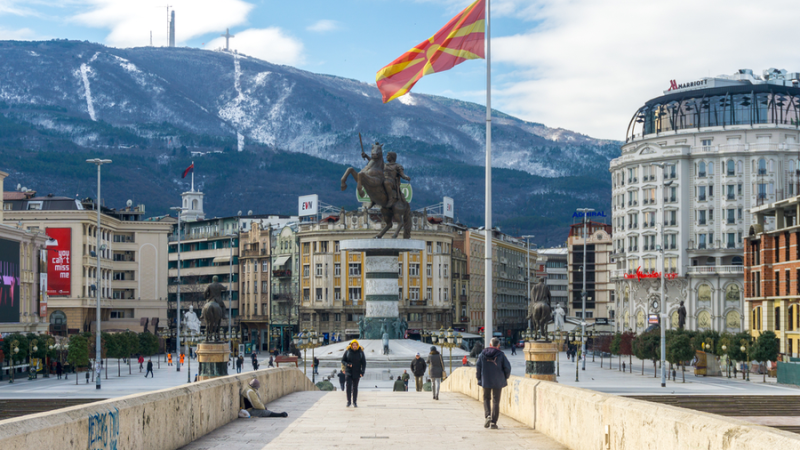
Economic Landscape of North Macedonia

japanchildrenrights.org – North Macedonia’s economy, like many others, faces a complex interplay of challenges and opportunities. This article explores these dynamics, drawing from recent reports and analyses to provide a comprehensive overview of the current economic landscape.

Challenges

  1. Access to Finance and Credit Risks: Financial challenges, particularly access to finance for small and medium-sized enterprises (SMEs), remain a substantial impediment. Credit risks are high, and alternative financing options are limited, which hampers business growth and innovation1.
  2. Economic Headwinds: The Western Balkan economies, including North Macedonia, experienced a solid growth recovery in 2021. However, the war in Ukraine has introduced new economic headwinds, affecting trade and investment flows2.
  3. Low Employment and Productivity: The country faces a low employment rate (45.5%) and high structural unemployment (13.5%), coupled with a lack of productivity. The informal economy, which accounts for 38% of GDP, further complicates economic management and policy effectiveness4.
  4. Judicial and Regulatory Challenges: The slow-moving judicial system and legislative and regulatory contradictions pose significant challenges for businesses operating in North Macedonia7.
  5. Energy Security and Climate Change: The country is also grappling with energy security challenges and the impacts of climate change, which are eroding growth prospects8.

Opportunities

  1. Infrastructure and Renewable Energy: With the ongoing green energy transition, North Macedonia is poised for significant development in infrastructure and renewable energy projects. This sector offers substantial opportunities for investment and growth1112.
  2. Market Opportunities: The country presents opportunities in sectors such as infrastructure, telecommunications, and energy. Major infrastructure projects and significant government procurements are underway, providing avenues for business engagement5.
  3. EU Integration: The process of joining the European Union is a significant opportunity for North Macedonia. It could stimulate economic growth and improve market access, provided the country addresses the challenges of transparency and targeted fiscal policy support6.
  4. Remote Work and Cost-Cutting Strategies: In response to economic challenges, North Macedonia is exploring remote work and cost-cutting strategies, which could enhance productivity and competitiveness9.

Conclusion

North Macedonia’s economic landscape is marked by a mix of challenges and opportunities. Addressing financial access, improving employment rates, and leveraging the green energy transition are critical steps towards sustainable growth. The country’s EU integration process and ongoing infrastructure projects also offer significant potential for economic revitalization. By navigating these challenges effectively, North Macedonia can position itself for a more robust and resilient economic future.

The Resilience & Empowerment of Philippine Women

japanchildrenrights.org – Philippine women have long been the backbone of their society, embodying resilience and strength in the face of historical, cultural, and systemic challenges. This article explores the multifaceted roles and contributions of Filipino women, highlighting their journey from historical underpinnings to modern-day empowerment.

Historical Context and Cultural Influences

Historically, Philippine women have navigated through a complex web of cultural, religious, and political influences. Before Spanish colonization, women in the Philippines held significant roles in their communities, participating in fiscal matters and owning property. However, the arrival of Spanish colonizers and the introduction of Catholicism introduced a patriarchal system that relegated women to subordinate roles.

Modern Challenges and Empowerment

Despite these historical constraints, Filipino women have shown remarkable resilience and have carved out significant niches in various fields. The Philippines has been recognized globally for its progressive policies towards women’s rights, ranking 17th in Newsweek’s list of ‘Best Place to be A Woman’. This recognition underscores the country’s efforts to empower women and address gender biases that have historically been internalized.

Economic and Social Contributions

Economically, Philippine women have made substantial contributions, working in various sectors such as education, healthcare, and entrepreneurship. Many have also ventured abroad, taking up roles as caregivers, nurses, and teachers, which have not only supported their families but have also enhanced their professional skills and earning potential.

Cultural and Social Dynamics

Culturally, Filipino women are celebrated for their strong familial bonds and community involvement. The family unit remains central to Filipino society, and women often play pivotal roles in maintaining these bonds. This cultural emphasis on community and family has also influenced the way Filipino women navigate personal and professional relationships.

Challenges and Opportunities

Despite these advancements, challenges remain. Issues such as gender biases, economic disparities, and the impact of globalization continue to affect the lives of Filipino women. However, these challenges also present opportunities for further empowerment and advocacy.

Conclusion

The story of Philippine women is one of resilience, strength, and empowerment. From historical underpinnings to modern-day challenges, Filipino women have consistently shown their ability to adapt, lead, and thrive. As the Philippines continues to progress, the role of women in society is likely to become even more prominent, reflecting a society that values equality, empowerment, and the collective strength of its people.

This article aims to shed light on the multifaceted roles of Filipino women, highlighting their contributions and the ongoing journey towards gender equality and empowerment.

A Crossroads of Civilizations: Albania’s Strategic Location

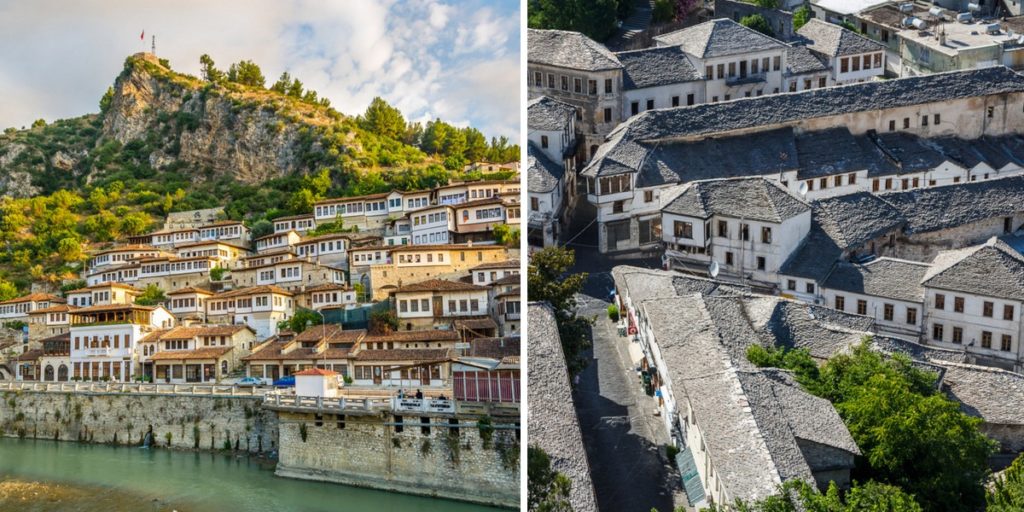
japanchildrenrights.org – Nestled in the westernmost part of the Balkan Peninsula, Albania stands as a testament to the rich tapestry of history that has unfolded in the heart of Europe. Its strategic location has not only been a pivotal point for the ebb and flow of civilizations but also a melting pot of cultures, languages, and religions. This article delves into the significance of Albania’s geographical position and its role as a crossroads of civilizations.

A Bridge Between East and West

Albania’s unique location on the Adriatic and Ionian Seas has historically made it a crucial maritime crossroads between the Mediterranean and the rest of Europe. This position has facilitated the exchange of goods, ideas, and people, blending Eastern and Western influences to create a distinct Albanian identity. The country’s coastline, dotted with ancient ports and cities, tells the story of its role in maritime trade and exploration.

A Historical Crossroads

Throughout history, Albania has been a battleground and a bridge for various empires and civilizations. From the Illyrians, who were among the first known inhabitants, to the Greeks, Romans, Byzantines, Venetians, and Ottomans, each left their mark on the land and its people. The ruins of ancient cities like Butrint and Apollonia are not just remnants of the past but also evidence of the country’s strategic importance in the ancient world.

Cultural Fusion

The diverse cultural influences that have passed through Albania have contributed to its rich cultural heritage. This fusion is evident in the country’s architecture, cuisine, music, and traditions. For instance, the blend of Byzantine and Ottoman architectural styles can be seen in the country’s mosques, churches, and castles. Similarly, Albanian cuisine is a delightful mix of Mediterranean, Turkish, and Balkan flavors.

A Modern Crossroads

In the modern era, Albania continues to play a significant role as a crossroads. It is a member of NATO and aspires to join the European Union, positioning itself as a bridge between the Balkans and the rest of Europe. The country’s strategic location also makes it an important player in regional security and stability efforts.

Conclusion

Albania’s strategic location has been a defining feature of its history and culture. As a crossroads of civilizations, it has absorbed and contributed to the rich tapestry of human history. Today, it stands as a vibrant nation, proud of its past and looking forward to a future where it continues to play a pivotal role in the region and beyond.

Governance and Leadership: China’s Political System

japanchildrenrights.org – China, with its rich history and vast population, operates under a unique political system that has evolved over centuries. The governance and leadership structure in China are fundamentally different from those in Western democracies. Understanding China’s political system requires an exploration of its historical context, the role of the Communist Party of China (CPC), and the mechanisms through which the country is governed.

Historical Context

The roots of China’s current political system can be traced back to ancient dynasties, where the emperor held absolute power. This centralized authority was challenged by various philosophies, including Confucianism and Legalism, which influenced the governance of the empire. The 20th century saw significant upheaval, culminating in the establishment of the People’s Republic of China in 1949 under the leadership of Mao Zedong and the CPC.

The Role of the Communist Party of China

The CPC is the central authority in China’s political system. It is the only political party permitted to rule, and its leadership is considered the ultimate authority in all aspects of Chinese society, including government, military, and the economy. The party’s structure is hierarchical, with the National Congress at the top, followed by the Central Committee, and then the Politburo and its Standing Committee.

Governance Structure

China’s governance structure is characterized by a single-party socialist state. The National People’s Congress (NPC) is the highest organ of state power and is elected by the people, albeit within the framework of CPC control. The NPC meets annually to discuss and pass legislation, approve the budget, and elect key government officials, including the President and Premier.

The State Council, headed by the Premier, is the executive branch of the government. It is responsible for implementing laws and regulations, managing the economy, and overseeing foreign and domestic policies.

Leadership and Decision-Making

Leadership in China is collective, with the General Secretary of the CPC, who is also the President of the country, serving as the paramount leader. However, decisions are made through consensus among the top party leadership, particularly within the Politburo Standing Committee. This collective leadership approach aims to ensure stability and continuity in policy direction.

Challenges and Reforms

China’s political system faces challenges, including corruption, regional disparities, and the need for sustainable economic growth. The CPC has initiated various reforms to address these issues, focusing on anti-corruption campaigns, poverty alleviation, and environmental protection. These efforts are part of a broader strategy to maintain the party’s legitimacy and ensure its continued governance.

Conclusion

China’s political system is a complex blend of historical traditions and modern governance structures. The CPC’s central role in governance and leadership is a defining feature of the system, ensuring stability and continuity while navigating the challenges of a rapidly changing world. As China continues to rise as a global power, its political system will undoubtedly evolve, reflecting both its unique cultural heritage and its engagement with the international community.

A Global Impact: The Portuguese Discoveries

japanchildrenrights.org – The Age of Discovery, a period marked by the exploration of the world by European navigators, was significantly shaped by the Portuguese. Beginning in the early 15th century, Portuguese explorers ventured into the unknown, driven by a quest for trade, knowledge, and the spread of Christianity. Their voyages had a profound impact on the world, reshaping trade routes, cultures, and the political landscape. This article explores the global impact of the Portuguese discoveries, highlighting their pioneering spirit and the lasting effects of their explorations.

The Dawn of Exploration

The Portuguese exploration era began under the patronage of Prince Henry the Navigator, who established a school of navigation in Sagres. This initiative was instrumental in advancing navigational techniques and fostering a culture of exploration. The first significant Portuguese discovery was made by Diogo Cão, who reached the Congo River in 1482, followed by Bartolomeu Dias, who rounded the Cape of Good Hope in 1488, opening a sea route to the East.

Vasco da Gama and the Route to India

The crowning achievement of Portuguese exploration came in 1498 when Vasco da Gama successfully reached India. This voyage marked the first direct European sea route to India, bypassing the traditional land routes controlled by the Ottoman Empire. The discovery of this route revolutionized trade, making Portugal a key player in the spice trade and laying the foundations for a vast Portuguese empire.

The Impact on Global Trade

The Portuguese discoveries significantly altered global trade patterns. The establishment of sea routes to Asia led to the decline of the Silk Road and the rise of European maritime trade. Portuguese ports became bustling hubs of commerce, and the wealth generated from the spice trade funded further exploration and colonization. The introduction of new goods and crops, such as tea, coffee, and tobacco, transformed European economies and societies.

Cultural Exchange and Conflict

The Portuguese discoveries facilitated unprecedented cultural exchange. The spread of Christianity, the introduction of European technologies, and the exchange of goods and ideas had a profound impact on the societies encountered by Portuguese explorers. However, this period was also marked by conflict and exploitation. The slave trade, which the Portuguese played a significant role in, had devastating effects on African societies. The colonization of the Americas and Asia led to the displacement of indigenous peoples and the imposition of European rule.

The Legacy of Portuguese Exploration

The legacy of the Portuguese discoveries is complex and multifaceted. On one hand, they opened up the world, fostering global connections and exchanges that continue to influence our world today. On the other hand, they brought about exploitation, conflict, and the disruption of indigenous cultures. The Portuguese discoveries remind us of the dual nature of exploration and the enduring impact of past actions on the present.

Conclusion

The Portuguese discoveries were a pivotal moment in history, reshaping the world in profound ways. From the establishment of new trade routes to the spread of culture and religion, the impact of Portuguese exploration is evident in the globalized world we live in today. As we reflect on this period, it is important to consider both the positive and negative consequences of these voyages, recognizing the complex legacy of the Age of Discovery.

The Jota: Spain’s Traditional Folk Dance

japanchildrenrights.org – The Jota is a traditional folk dance that is deeply embedded in the cultural fabric of Spain. Originating from the Aragon region, this lively dance has spread across the country, with each region adopting and adapting it to reflect their own cultural nuances. The Jota is not just a dance; it is a symbol of Spanish identity, a testament to the country’s rich history, and a celebration of its vibrant culture.

Origins and Evolution of the Jota

The exact origins of the Jota are somewhat shrouded in mystery, with historians and folklorists debating its roots. Some trace it back to the Moorish occupation of Spain, suggesting that it evolved from the Arabic music and dance that were prevalent during that period. Others believe it has Celtic origins, pointing to similarities with dances from the British Isles. Regardless of its beginnings, the Jota has evolved over centuries, absorbing influences from various cultures and regions within Spain.

Characteristics of the Jota

The Jota is characterized by its lively tempo, intricate footwork, and the use of castanets. It is typically performed in pairs, with the dancers executing a series of steps that require precision and agility. The dance is accompanied by music that features the dulzaina (a type of oboe) and the tamboril (a small drum), creating a rhythm that is both infectious and energizing.

The costumes worn during Jota performances are as integral to the dance as the steps themselves. These traditional outfits are vibrant and elaborate, often featuring regional colors and motifs. For men, the attire typically includes tight trousers, a bolero jacket, and a flat-brimmed hat, while women wear long, ruffled skirts, embroidered blouses, and shawls.

Regional Variations

One of the most fascinating aspects of the Jota is the way it has been adapted across different regions of Spain. Each area has its own version of the dance, with variations in steps, music, and costumes. For example, the Jota Aragonesa is known for its rapid footwork and the use of a handkerchief by the dancers. In contrast, the Jota Navarra incorporates more hopping steps and is often performed in a circle.

The Jota Valenciana, on the other hand, features slower, more deliberate movements and is accompanied by a bandurria (a type of mandolin) and a guitar. These regional variations reflect the diverse cultural landscape of Spain, showcasing the country’s rich tapestry of traditions and identities.

The Jota Today

Despite the challenges posed by modernization and globalization, the Jota remains a vital part of Spanish culture. It is performed at festivals, weddings, and other celebrations, bringing people together and preserving the heritage of the nation. Dance schools and cultural organizations across Spain and the Spanish-speaking world continue to teach the Jota, ensuring that this traditional dance is passed down to future generations.

Moreover, the Jota has found its way onto the international stage, with performances at folk festivals and cultural exchanges around the world. This has helped to spread awareness of Spanish folk traditions and foster a greater appreciation for the country’s cultural contributions.

Conclusion

The Jota is more than just a dance; it is a living legacy, a bridge between the past and the present. It embodies the spirit of Spain, with its passion, vitality, and diversity. As long as the Jota continues to be celebrated and performed, the rich cultural heritage of Spain will remain alive, inspiring and entertaining audiences for generations to come.